


Hearing that your child might need a tooth extraction can make any parent feel worried. After all, baby teeth are meant to fall out naturally, so removing one early may feel like a big decision. The truth is, extractions in kids are sometimes necessary to protect their long-term dental health. When done at the right time and for the right reasons, an extraction can prevent future problems and support proper growth.
If you are unsure about when children actually need a tooth removed, here is a simple and parent friendly guide to help you understand the process clearly.
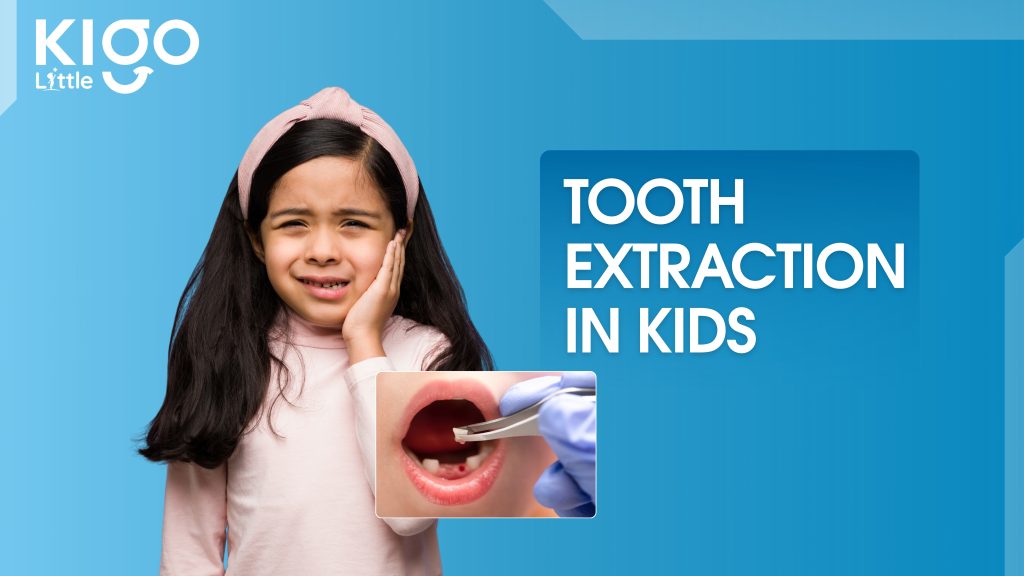
Do Kids Really Need Tooth Extractions
Most baby teeth fall out on their own between ages six and twelve. But in certain situations, a dentist may suggest removing a tooth early to avoid pain, infection or alignment problems. Tooth extraction for kids is safe, quick and much gentler than many parents imagine. Pedodontics use child friendly techniques, so the experience feels comfortable and stress free for your child.
Common Reasons Kids Need Tooth Extractions
Here are the main situations where an extraction becomes necessary.
Severe Tooth Decay
Baby teeth have thinner enamel. When decay spreads too quickly and reaches the nerve, the tooth can become painful or infected. If a pulpotomy or filling cannot save the tooth, extraction is recommended to stop the infection from spreading.
Dental Infections
An untreated cavity or injury can lead to an abscess. This causes swelling, discomfort and sometimes fever. Removing the tooth helps clear the infection and protects the surrounding area.
Crowding Issues
Some children do not have enough space in their jaws for all their teeth. If permanent teeth are ready to come in and baby teeth are blocking the path, the dentist may remove them to create room. This can prevent future alignment problems.
Delayed Baby Tooth Shedding
Sometimes baby teeth hold on for too long. When a baby tooth does not loosen even after the permanent tooth starts pushing through, extraction helps guide proper alignment and prevents crooked growth.
Fractured Teeth
Kids may crack or break a tooth due to falls, sports injuries or biting hard foods. When the damage is severe and cannot be repaired, removing the tooth is the safest option.
Orthodontic Treatment
Many orthodontists recommend removing certain baby teeth to help shape the bite and support proper jaw development. This ensures smoother and more predictable orthodontic results later.
How Tooth Extraction Works for Kids
Tooth extractions for children are very different from adult extractions. They are usually faster and easier because baby teeth have shorter roots and softer bone around them.
Here is what typically happens.
A Gentle Check Up
The dentist examines the tooth and may take a small X ray to check root length and surrounding teeth.
Topical and Local Numbing
A flavored numbing gel is applied first so your child hardly feels the local anesthetic. This keeps the entire area completely comfortable.
Quick Removal
Using gentle pressure, the dentist removes the tooth smoothly. Most children do not feel anything except slight movement.
Aftercare Guidance
You will receive simple instructions for caring for the area such as avoiding hard foods and keeping the mouth clean.
The whole process usually takes only a few minutes.
What to Expect After the Extraction
Recovery is smooth and quick. Here is what parents usually notice.
- Mild soreness for a few hours
- Small amount of bleeding that stops quickly
- Preference for softer foods
- Normal activity within the same day
Children heal faster than adults, and within a day or two they return to their regular routine without discomfort.
Do Kids Need Space Maintainers After Extraction
If a baby tooth is removed too early, a permanent tooth may not erupt correctly. To prevent this, the dentist might recommend a space maintainer. This is a small device that keeps the space open until the new tooth is ready to appear.
Not all children need it. The dentist decides based on the child’s age, the position of the tooth and the stage of permanent tooth growth.
How to Avoid Extractions in the Future
Prevention plays a big role in keeping your child’s teeth healthy. Here are simple habits to help avoid early tooth loss.
- Brush twice daily with fluoride toothpaste
- Floss gently once a day
- Limit sticky and sugary snacks
- Encourage drinking water after meals
- Schedule dental check-ups every six months
- Treat cavities early before they become deep
Good oral habits protect your child from pain, infection and unnecessary extractions.
Tooth extraction in kids is not something to fear. In many cases, it is the best way to protect your child’s oral health and prevent future complications. With early evaluation, gentle pediatric techniques and proper aftercare, the process is smooth, safe and comfortable for children of all ages.
Healthy baby teeth play an important role in guiding permanent teeth. When extraction becomes necessary, it helps create the best foundation for your child’s growing smile.
Your child’s smile is precious, and we treat it with the love and patience it deserves. At Kigo Little, we make dental visits happy and stress free while guiding parents with clear and honest advice. Reach us at 8333999987 and let us help your child grow with a bright and healthy smile.
FAQs
Q: Will my child feel pain during the extraction
A: No. Pediatric dentists use numbing gels and gentle techniques that keep the process comfortable.
Q: What if my child is scared
A: Pediatric clinics are designed to make kids feel safe. Dentists use friendly language, distractions and a calm approach.
Q: How long is the healing time
A: Most children feel normal within a day. The gum heals completely within one to two weeks.
Q: Is it safe to remove baby teeth early
A: Yes, when done by a trained pediatric dentist. It often prevents bigger issues later.
Q: Should I worry if a baby tooth is not falling out naturally
A: Not always. But if the permanent tooth has already erupted behind it, an extraction may be needed.
Q: Will my child need medicines after the procedure
A: The dentist may recommend simple pain relief if required, but many children do not need anything.
